From Chatbot to Agent: Building Autonomous Workflows in the Store
The most common complaint we hear: "I still have to sit there and chat with it." The solution is Agentic Workflows.
What is an Agent?
- Chatbot: Input -> Output.
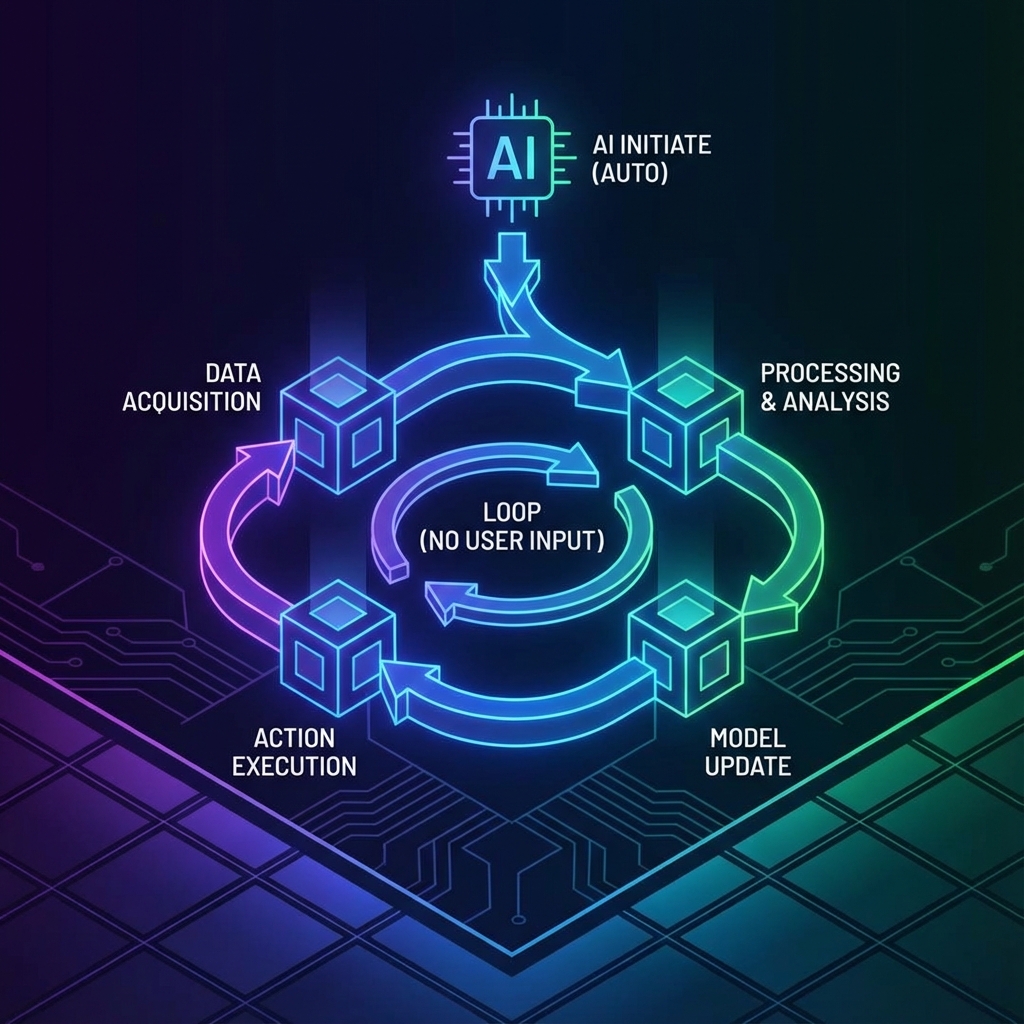
- Agent: Goal -> Plan -> Action -> Observation -> Correction -> Success.
Building "Loops" in a Stateless Environment
The GPT Store is historically "stateless" (it forgets between sessions). To build autonomy, we use External State Managers.
Example: The "Sales Prospector" Agent
- Trigger: You say "Find me 50 leads for dental clinics in Texas."
- Action 1: GPT calls
search_toolto find clinics. - Action 2: GPT calls
scrape_websiteto find emails. - Loop: It does this 50 times. It doesn't ask you "What next?" after every single one.
- Final Action: It compiles a CSV and calls
send_emailto you.
The Tech Stack
We use frameworks like LangGraph remotely hosted, but exposed to the GPT interface via API. The GPT interface becomes just the "Dashboard" where you give high-level commands, while the heavy lifting happens in our cloud infrastructure.
Why This Matters
True ROI comes from removing the human from the loop. If you have to prompt it every step, you are just a micro-manager. Autonomous Agents are employees.
Tags
#Agentic AI
#Autonomous Agents
#Workflow Automation
#Zapier Integration
#Future of Work